Mobile cranes are powerful machines used in various industries for heavy lifting and transportation tasks. These cranes are mounted on trucks or trailers, making them easy to transport to different job sites. The history of mobile cranes dates back to the early 20th century when they were used for military purposes. During World War I, mobile cranes were used to move heavy equipment and supplies, as well as to help build and repair infrastructure such as bridges and roads. The need for mobile cranes in military operations continued in World War II, where they were used to support construction, logistics, and engineering efforts. Read More…
We are Givens Lifting Systems, Inc., a leading company specializing in providing high-quality lifting solutions, with a primary focus on cranes. With our extensive expertise and commitment to innovation, we have established ourselves as a trusted partner for various industries worldwide.
PWI cranes are ready to help with any of your material handling needs. Our overhead bridge cranes are typically for heavy-duty material handling needs. Workstation cranes are lightweight and can be installed in any workspace. Jib cranes provide an excellent way to transfer material from on station to another. Gantry cranes work great for moving overhead cranes to different areas. Our team is...
Handling Systems International has become a premier leader in the crane manufacturers industry through our hard work and dedication. All of our cranes are built to fit the exact specifications of our customer's needs. We are committed to providing our customers with unbeatable service, high-quality products, and competitive prices.
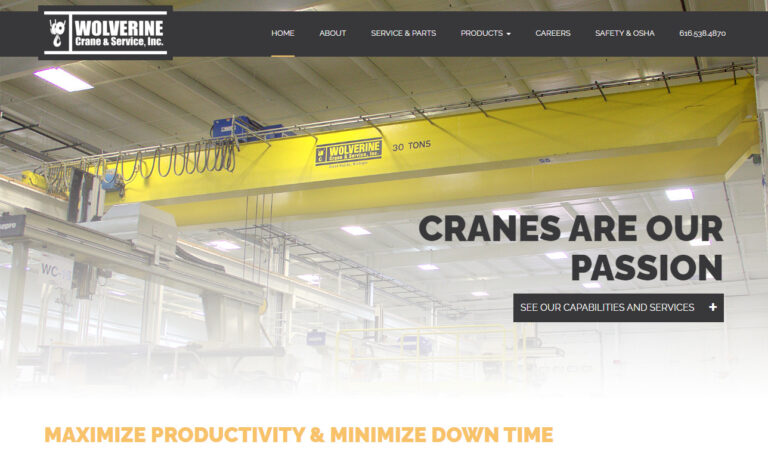
As a Factory Authorized R&M Master Distributor and Crane Builder, Wolverine provides its customers with the finest production built crane components available. Some of the products we provide include gantry cranes, overhead cranes, chain and wire rope hoists and much more. Regardless of your needs, we design, build, and install custom systems to fit any process or application.
At TC/American Crane Company, we design, manufacture, and support custom crane systems that deliver reliability, precision, and long-term performance across a wide range of industrial environments. As pioneers in the field, we bring decades of engineering expertise to every overhead lifting solution we create, integrating innovative track systems, patented components, and tailored configurations...
Our hundreds of pre-engineered cranes can be cost-effectively customized by our certified engineers for unusual applications, including low ceilings, obstacles, and atypical capacities. All Spanco cranes come with the best warranties in the industry.


More Mobile Crane Manufacturers
Mobile Cranes: Essential Equipment for Modern Industries
After the wars, mobile cranes became increasingly popular in civilian industries, such as construction and manufacturing, where their versatility and mobility made them ideal for a wide range of tasks. Mobile cranes proved to be incredibly valuable in various applications, as they could be easily transported and set up in different locations. Today, these machines have become a critical part of many industries due to their mobility, versatility, and strength.
Whether you are seeking heavy lifting solutions for construction, manufacturing, logistics, or industrial sectors, understanding the key features, applications, and benefits of mobile cranes is essential. This comprehensive guide covers the components, regulations, advantages, challenges, and specific use cases of mobile cranes to help you make informed equipment decisions.
What Is a Mobile Crane?
A mobile crane is a type of lifting machine designed for easy transportation and rapid deployment across job sites. Unlike fixed or tower cranes, mobile cranes are mounted on wheels or tracks, allowing them to navigate various terrains and perform heavy lifting tasks in diverse environments. These versatile machines are commonly used for construction, infrastructure development, industrial installations, logistics operations, and more.
Key advantages of mobile cranes include: their ability to move quickly between locations, handle a wide range of lifting capacities, and set up with minimal downtime. They are essential for projects that require flexible, on-demand lifting power.
Components of a Mobile Crane
Mobile cranes have several components that work together to perform lifting tasks safely and efficiently. Understanding these parts is key for operators, project managers, and buyers evaluating crane specifications.
- Boom: The primary lifting arm, which can be extended or retracted to reach different heights and radii. Booms may be telescopic or lattice-type, depending on the crane model.
- Counterweights: Heavy weights attached to the crane's rear provide balance and stability during lifts, preventing tipping.
- Outriggers: Extendable legs that stabilize the crane during operation, ensuring safe and steady lifting—especially critical for heavy loads or uneven ground.
- Tires or Tracks: The base mobility system; wheeled chassis are typical for road-going cranes, while crawler tracks are used for off-road or rough terrain applications.
- Cab or Control Room: Operator area mounted on a rotating superstructure, providing a 360-degree view and precise control of crane functions.
- Superstructure: The section that houses the boom and controls, rotating atop the chassis for full operational flexibility.
- Chassis: The lower frame of the crane, supporting the superstructure and enabling mobility via wheels or tracks.
- Power Source: Typically an internal combustion engine that drives the hydraulic systems and provides locomotion.
- Hydraulic System: Powers the boom, winches, and outriggers for smooth and precise movements.
The mobility of a mobile crane is achieved through its wheeled chassis or crawler tracks, which provide the stability to operate on various terrain types. The chassis is usually powered by an internal combustion engine, which not only drives the wheels or tracks but also powers the hydraulic system responsible for lifting, lowering, and swinging operations. Efficient and simple setup allows mobile cranes to be deployed rapidly across multiple job sites, minimizing downtime and maximizing productivity. This is accomplished through features like outriggers and advanced stabilizing technology.
Types of Mobile Cranes
- Truck-Mounted Cranes: Designed for highway travel, these cranes offer fast mobility and are commonly used for urban construction, infrastructure repairs, and logistics.
- Rough Terrain Cranes: Equipped with all-wheel drive and heavy-duty tires, they excel in off-road and undeveloped site conditions.
- Crawler Cranes: Mounted on continuous tracks, these cranes provide superior stability for extremely heavy lifts and are ideal for long-term construction projects.
- All-Terrain Cranes: Combining the features of truck and rough terrain cranes, these versatile machines can travel on highways and operate in challenging environments.
- Carry Deck Cranes: Compact and maneuverable, perfect for indoor use and confined spaces, such as industrial plants and warehouses.
- Floating Cranes: Used for marine and offshore operations, these cranes are mounted on barges for heavy lifting in ports and harbors.
Want to explore which type of mobile crane best suits your project's needs? Contact a mobile crane specialist or consult our crane directory for expert guidance.
Regulations for Mobile Cranes
Mobile cranes are subject to stringent safety regulations and industry standards to protect workers, operators, and bystanders. Proper compliance is crucial for project safety, regulatory approval, and insurance coverage. Key regulatory agencies and compliance measures include:
- Occupational Safety and Health Administration (OSHA): Establishes guidelines for safe crane operation, inspection, and operator certification. OSHA 1926 Subpart CC is the primary standard for cranes and derricks in construction.
- Federal Motor Carrier Safety Administration (FMCSA): Regulates the transportation of mobile cranes on public roads, including weight, dimension, and securement requirements.
- State and Local Authorities: May impose additional licensing, permitting, and operational requirements based on location and project scope.
- ANSI/ASME Standards: Industry standards for crane design, inspection, testing, and maintenance.
Failure to adhere to these regulations can result in costly fines, project delays, and safety incidents. It is essential for contractors, project managers, and crane operators to stay up-to-date with evolving safety standards and to conduct regular equipment inspections and maintenance.
Benefits of Mobile Cranes
Mobile cranes offer a multitude of advantages across industries that require reliable heavy lifting and material handling. Below are some of the primary benefits that make them a top choice for many projects:
- Mobility: Easily transported between job sites, reducing the need for multiple cranes and minimizing operational downtime.
- Versatility: Compatible with a wide range of attachments (jibs, hooks, winches, buckets), making them adaptable for different tasks and load types.
- Time Efficiency: Quick setup and teardown enable rapid response to project demands, boosting productivity and reducing labor costs.
- Cost Savings: Lower infrastructure requirements and reduced manual labor result in overall project cost reductions.
- Safety: Advanced safety features, such as load moment indicators, anti-two block devices, and modern control systems, reduce the risk of accidents and ensure operator protection.
- Performance: Capable of lifting and moving very heavy loads with precision and control, even in tight or challenging environments.
Looking to maximize efficiency on your next project? Discover leading mobile crane manufacturers for innovative solutions and expert support.
Considerations When Using Mobile Cranes
While mobile cranes are highly beneficial, there are several factors to consider when selecting and operating these machines. Understanding these considerations can help you choose the right crane for your application and manage project risks effectively.
- Size and Weight Restrictions: Urban environments or confined spaces may limit the size of crane that can be safely operated. Be sure to evaluate site access and local regulations.
- Operating Costs: Includes fuel, routine maintenance, insurance, operator training, and transportation expenses. A thorough cost analysis is essential for budgeting.
- Weather Limitations: High winds, lightning, or heavy precipitation can restrict crane operation due to safety concerns. Always monitor weather forecasts and have contingency plans in place.
- Reach and Capacity: Each crane has specific load charts and operational limits. Exceeding these can compromise safety and equipment integrity.
- Site Conditions: Uneven, soft, or unstable ground may require additional stabilization or specific crane types (e.g., rough terrain or crawler cranes).
- Operator Skill: Proper training and certification are mandatory for safe crane operation. Ensure all operators meet current regulatory and manufacturer standards.
Need advice on overcoming challenging site conditions or regulatory hurdles? Ask our experts about custom crane solutions or schedule a site assessment today.
Specific Applications for Mobile Cranes
Mobile cranes are versatile machines that can be used in a wide range of industries and applications. Here are some of the specific uses and applications of mobile cranes in various industries:
- Construction: Mobile cranes are commonly used in the construction industry to lift and move heavy materials, such as steel beams, precast concrete panels, and building components. They are also used for demolishing old buildings and structures.
- Infrastructure Development: Essential for bridge building, roadwork, highway maintenance, and large-scale public projects.
- Shipping and Logistics: Mobile cranes are used in ports and harbors to load and unload shipping containers from ships and trucks. They are also used to move cargo and goods around warehouses and distribution centers.
- Oil and Gas: Mobile cranes are used in the oil and gas industry to install and maintain drilling equipment, pipelines, and storage tanks. They are also used for lifting and moving heavy machinery and components.
- Mining: Mobile cranes are used in the mining industry to lift and move heavy loads, such as ore and waste rock. They are also used for assembling and maintaining mining equipment.
- Power Generation: Mobile cranes are used in the power generation industry to install and maintain turbines, generators, and other equipment at power plants. They are also used for lifting and moving heavy components during construction of power plants.
- Entertainment and Events: Mobile cranes are used in the entertainment industry for setting up stages, lighting, and sound equipment for concerts and events, as well as in film production for moving scenery or props.
- Emergency Services and Disaster Response: Mobile cranes are used by emergency services, such as fire departments, to lift and move heavy objects, such as vehicles or debris, during rescue operations, disaster relief, and site cleanup.
- Industrial Maintenance: Facilities use mobile cranes for routine equipment maintenance, plant upgrades, and machinery installation.
- Utilities: Used for setting utility poles, transformers, and infrastructure repairs.
How to Choose the Right Mobile Crane for Your Application
Selecting the right mobile crane requires careful consideration of your project's specific requirements. Here are some points to guide your decision-making process:
- Assess Project Needs: Evaluate the weight, height, and reach required for your lifts. Consider site conditions, access, and duration of use.
- Review Crane Types and Specifications: Compare different types of mobile cranes and their load charts to ensure a good fit for your tasks.
- Check Regulatory Compliance: Ensure the crane meets all applicable safety and transportation regulations for your location.
- Factor in Transport and Setup: Evaluate the logistics of transporting the crane to your site and the time/cost required for setup and teardown.
- Operator Expertise: Ensure that trained and certified operators are available for the specific crane type you select.
Curious about rental versus purchase? Learn more about leasing, renting, or buying mobile cranes and discover which option delivers the best ROI for your business.
Emerging Technologies in Mobile Cranes
The mobile crane industry is rapidly evolving with the introduction of new technologies designed to enhance performance, safety, and efficiency. Key trends include:
- Telematics and Remote Monitoring: Real-time tracking of crane health, usage patterns, and maintenance needs.
- Automation and Smart Controls: Advanced control systems improve lift accuracy, efficiency, and safety.
- Hybrid and Electric Powertrains: Lower emissions and reduce fuel costs for eco-friendly operation.
- Integrated Safety Systems: Enhanced operator assistance with load indicators, anti-collision technology, and automatic stabilization.
Interested in the latest crane technology? Ask how modern innovations can boost your project efficiency and safety.
Choosing the Proper Mobile Crane Manufacturer
To ensure you have the most productive outcome when purchasing a mobile crane from a mobile crane manufacturer, it is important to compare several companies using our directory of mobile crane manufacturers. Each mobile crane manufacturer has a business profile page highlighting their areas of experience and capabilities, along with a contact form to directly communicate with the manufacturer for more information or request a quote. Review each mobile crane business website using our proprietary website previewer to quickly learn what each company specializes in. Then, use our simple RFQ form to communicate with multiple mobile crane companies with the same form.
Key Factors When Selecting a Manufacturer
- Reputation and Experience: Research the manufacturer's track record, customer reviews, and years in business.
- Product Range: Does the manufacturer offer the type of mobile crane best suited to your application (truck-mounted, crawler, rough terrain, etc.)?
- Customization Options: Are custom features, attachments, or configurations available?
- Service and Support: Evaluate after-sales support, training, parts availability, and maintenance services.
- Safety and Compliance: Ensure all cranes meet or exceed relevant safety standards and certifications.
- Price and Financing: Compare pricing, warranty terms, and financing options to align with your budget and project goals.
Ready to compare leading mobile crane suppliers? Use our RFQ tool to request quotes from multiple manufacturers and find the best fit for your lifting needs.
Frequently Asked Questions About Mobile Cranes
What is the maximum lifting capacity of a mobile crane?
Lift capacities vary widely based on crane type and configuration. Small carry deck cranes may lift 10-25 tons, while large all-terrain or crawler cranes can exceed 1,000 tons. Always consult the manufacturer's load chart for precise specifications.
How do I determine which mobile crane is right for my project?
Consider the weight and dimensions of your loads, site access, ground conditions, project duration, and regulatory requirements. Consulting with a crane rental or manufacturing expert can help you make the best choice.
What safety certifications are required to operate a mobile crane?
Operators typically require OSHA-compliant training and certification, such as NCCCO (National Commission for the Certification of Crane Operators) credentials. Local and state requirements may also apply.
Is it better to rent or buy a mobile crane?
Renting offers flexibility for short-term or specialized projects, while purchasing makes sense for frequent, long-term use. Consider total cost of ownership, maintenance, and current equipment needs when deciding.
Where can I find reliable mobile crane manufacturers?
Use our comprehensive mobile crane manufacturers directory to compare companies, read reviews, and request quotes for your next project.
Next Steps: Find the Right Mobile Crane Solution
Mobile cranes are an indispensable asset for construction, infrastructure, industrial, and logistics projects. By understanding their components, use cases, benefits, and selection criteria, you can confidently choose the right equipment and supplier for your needs.
- Compare top-rated mobile crane manufacturers in our directory.
- Request custom quotes for your project’s requirements.
- Consult with crane experts about advanced features, regulatory compliance, and application-specific solutions.
Ready to get started? Contact us today to discuss your mobile crane needs, or browse our comprehensive directory for industry-leading suppliers.
Mobile Crane Rental vs. Purchase: Which Is Right for You?
Choosing between renting and purchasing a mobile crane depends on your project's scope, budget, and frequency of use. Here are some factors to consider:
- Rental: Ideal for short-term projects, infrequent needs, or when specialized equipment is required. Rentals often include maintenance and support.
- Purchase: Suited for organizations with ongoing lifting requirements, providing long-term cost savings and equipment customization options.
Still undecided? Speak with a mobile crane rental or sales consultant to evaluate your options and determine the most cost-effective solution.
Conclusion: The Value of Mobile Cranes in Modern Industry
Mobile cranes play a pivotal role in countless industries, offering unmatched flexibility, lifting power, and operational efficiency. By leveraging modern technology, adhering to safety standards, and partnering with reputable manufacturers, companies can optimize their operations and achieve project success.
For more information, resources, and expert assistance, contact our team or explore our mobile crane directory for the latest industry solutions.
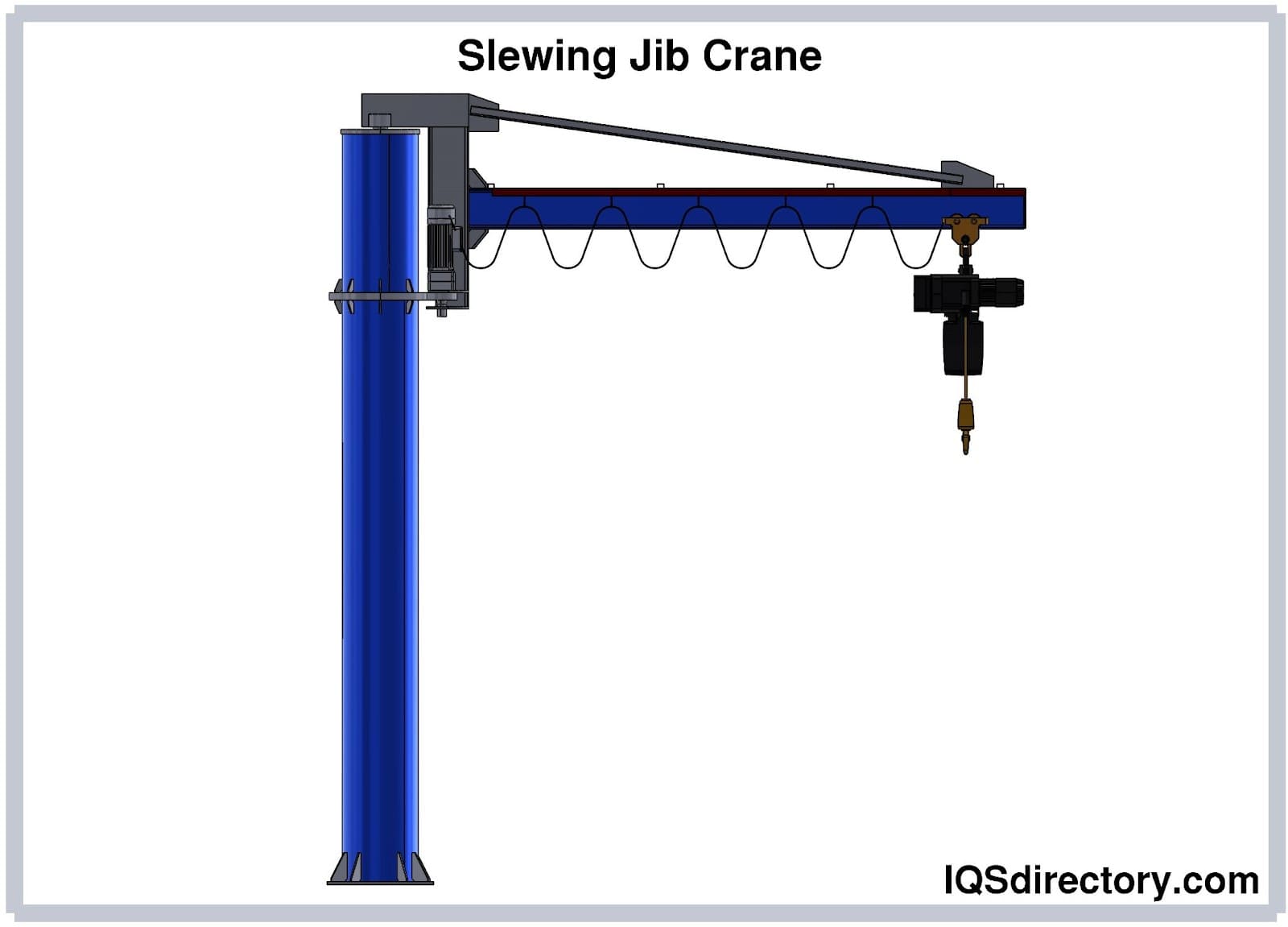
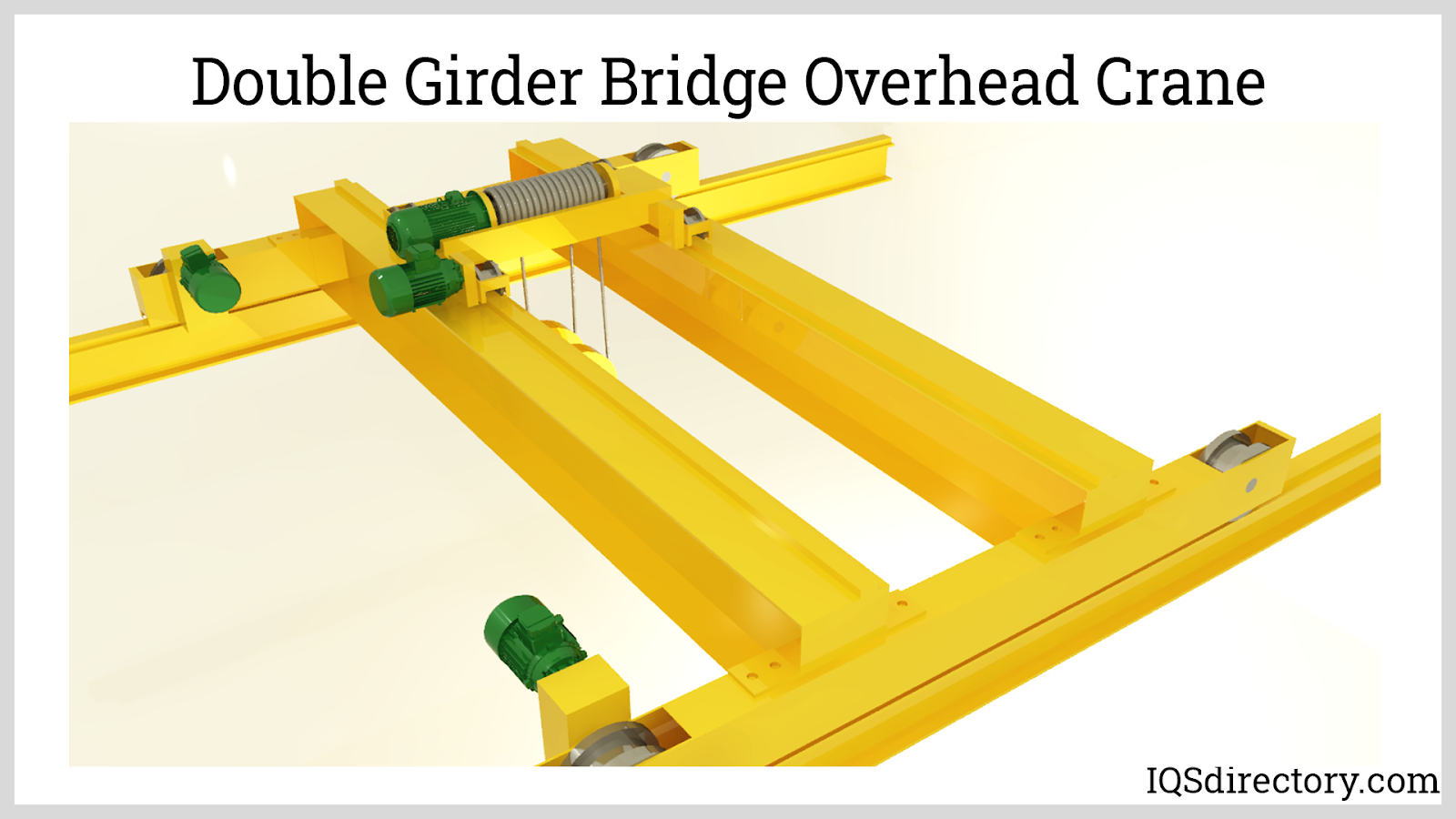
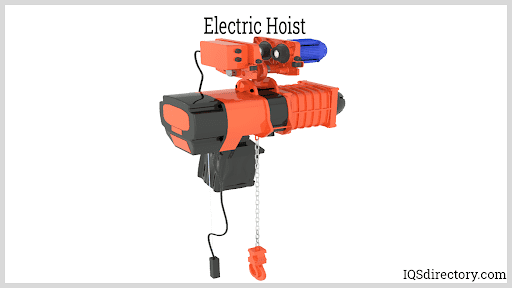
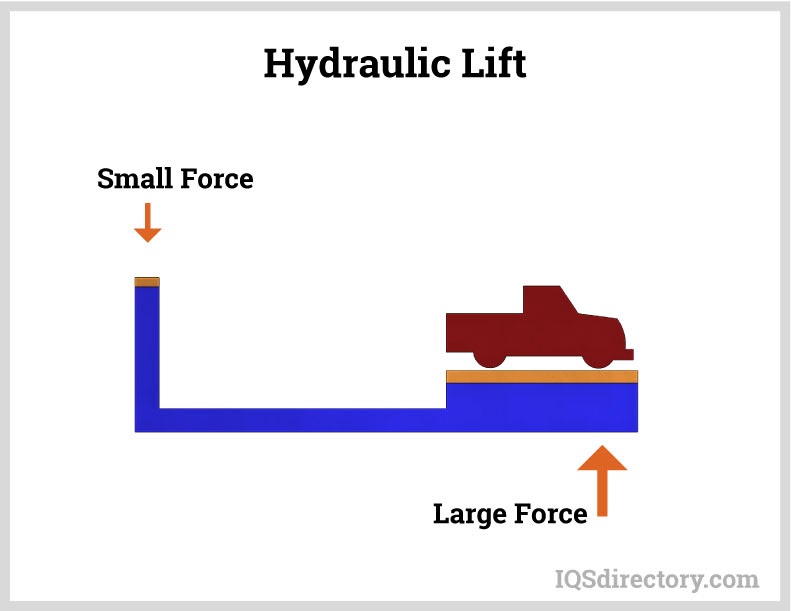
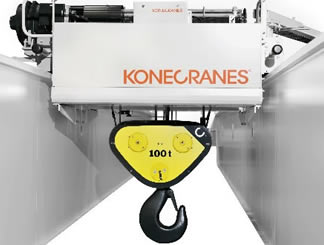 Cranes
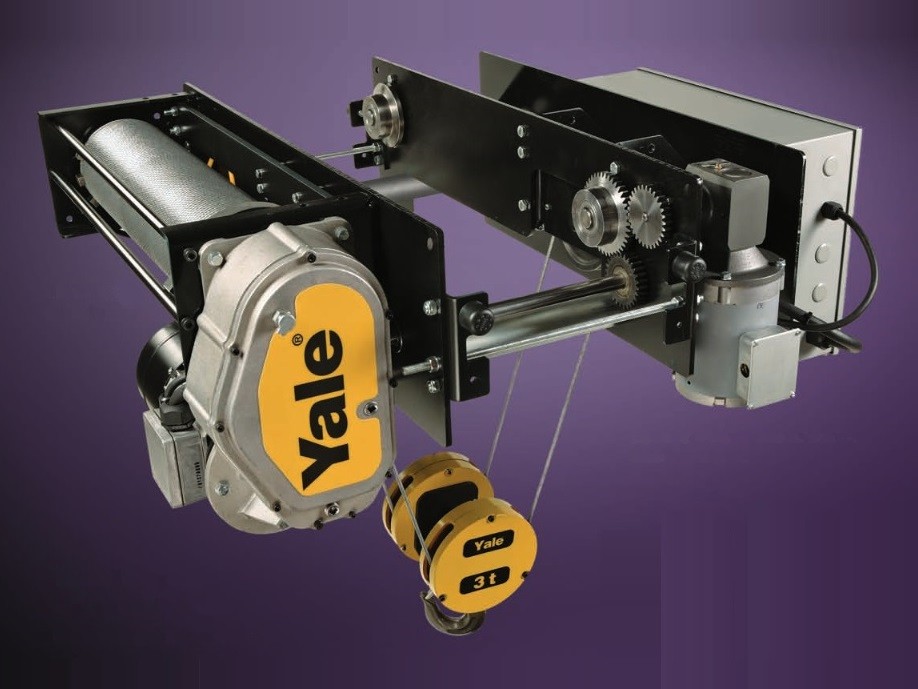 Electric Hoists
 Forklifts
 Hydraulic Lifts
 Rope
Rope Wire Rope
 AGV
AGV Air Pollution Control
 Assembly Machinery
 Blowers
 Conveyors
 Cranes
 Deburring Machinery
 Dust Collectors
 Heaters
 Hose Reels
 Lubricators
 Mezzanines
 Modular Buildings
 Storage Racks
 Ultrasonic Cleaners
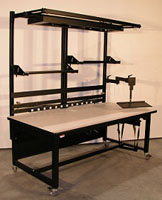 Work Benches